
Oily Fish and Omega 3

Why is oily fish so good for you? – Surely fish is fish.

Make no bones about it, eating any fish is good for you, providing of course it’s not deep fried and coated in crispy batter from the chip shop. However, oily fish is particularly good for you for a number of reasons, the main one being, it is an incredibly rich source of Omega 3 fatty acids.

These fatty acids are essential nutrients and play a vital role throughout your body. Your brain contains large amounts and needs them to function properly, they reduce inflammation, thin your blood, lubricate skin and joints and generally improve your overall health and immune system.

In fact, fish-eating populations such as the Eskimos, tend to live longer with lower rates of disease.

oily_fish

But not all fish contains enough Omega 3s to be of any real benefit. The ones to look out for are the oil-rich, cold-water fish such as sardines, herring, mackerel, bluefish, salmon and trout, all of which contain large amounts of Omega 3s.

Eating oily fish three times a week should give you the minimum 7 grams of Omega 3s that health experts recommend, but you do need to be sure that the fish you buy comes from unpolluted waters. Many of the fish listed above inhabit rivers and coastal waters that have become contaminated and these contaminants can be passed down the food chain to us.

Alternatively, Omega 3s are also found in plants such as flax and hemp or you could try an Omega 3 supplement in liquid or capsule form.
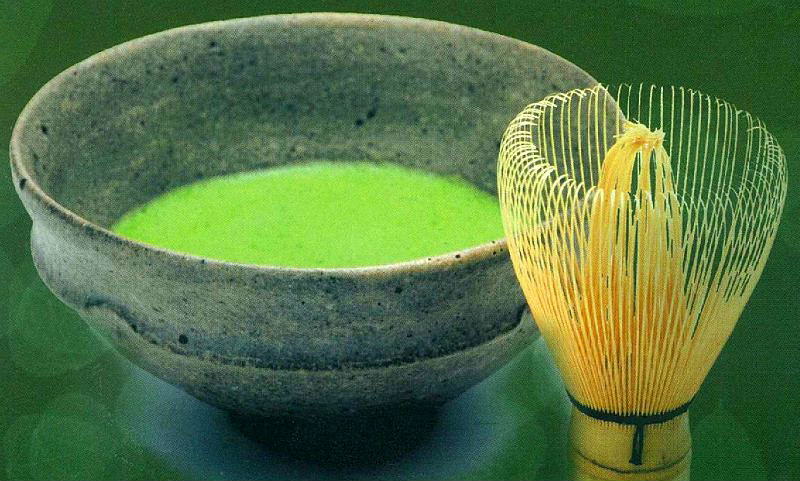
Matcha Green Tea

matcha_green_tea

Matcha green tea is not just another type of green tea. It is the ultimate green tea, made from the finest shade-grown leaves stone-ground to a fine powder.

With regular steeped tea, 85-90% of the nutrients of the tea are thrown out with the leaves as most of green teas nutrients are non-soluble.  With matcha, you consume the tea leaves whole, just as in ancient times when tea was a medicine, not a beverage. Your body benefits from all the soluble and non-soluble elements of the tea first hand.

A staple of the martial arts and Zen Buddhism, matcha is the tea the samurai turned to before battle, because of its long lasting energy boost and its ability to promote a state of relaxed awareness.

Natural remedies for Cystitis

Problems with the urinary system are extremely common, and your local health store can help with a variety of natural products.

Anyone who has suffered from a urinary tract infection (UTI) or other urinary problems will know that it can be extremely uncomfortable. Jürgen Denzinger of Remedies in Dungarvan, Co. Waterford says that people find talking about UTIs and other urinary problems embarrassing, but “generally speaking health stores have heard it all before, and helped.” So don’t be shy, explain your problems and let your local health store help you.

According to Jürgen, in his experience it is “mostly women who would complain about UTIs like cystitis. Men are more likely to have prostate problems, which can lead to UTIs and prostatitis.

cranberries

“The most popular remedy for cystitis is cranberry, which is available in tablet or capsule form,” says Jürgen. “Cranberries are also available dried, fresh or as pure organic juice. It is important that the juice contains no sugar or artificial sweeteners, because sugar is a known breeding ground for bacteria.

Drinking at least two litres of plain water every day can also help to flush out bacteria. Herbal teas may help to support the urinary tract – dandelion is a very good choice due to its diuretic action known for centuries.”

Jürgen recommends a number of remedies that can also help:
Goldenrod – has a diuretic action. It has been shown to have important anti-inflammatory, anti-spasmodic and antiseptic actions.
Birch leaves and Horsetail – rich in silicea and can help to strengthen the urinary system.
Cantharis (homeopathic 30c or 6c potency) – very effective at easing the burning sensation when urinating.

According to Jürgen, “the overall effect of herbs and food supplements is generally positive for symptoms of UTIs, such as restricted urine flow, a burning sensation and getting up many times in the night.”

He advises that “chronic or re-occuring UTIs can be sexually related, especially in younger women, and should be addressed differently, i.e. by consulting a qualified homeopath.”

“It is important to note,” says Jürgen, “that most UTIs shouldn’t last more than ten days. If they do, you should consult a healthcare practitioner. If blood is present in the urine, you should see a qualified professional. Prostate enlargement needs to be diagnosed by a doctor.”

“Water Works”, article published in > Rude Health Magazine, March-April 2014 issue, p.36

Top