Cholesterol management is a well-established means of maintaining health and preventing premature death from cardiovascular disease. Many people can maintain desirable cholesterol profiles by natural means, including lifestyle modification, exercise, dietary strategies.
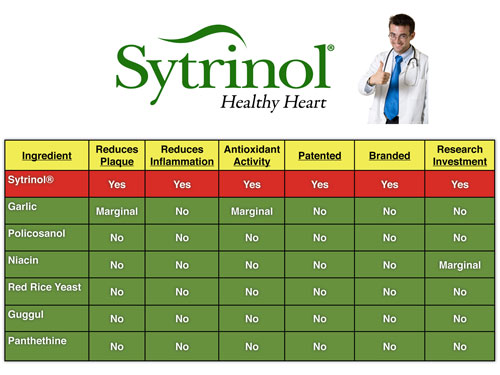
For those in need of additional cholesterol-lowering options, Sytrinol is a new and important option that can aid in achieving substantial reductions in total cholesterol, LDL cholesterol and triglyceride levels, while improving LDL/HDL ratios. Its lack of the side effects associated with statin drugs makes Sytrinol™ an especially attractive therapy for maintaining healthy cholesterol levels.
Sytrinol™ is a patented proprietary formula comprising citrus and palm fruits extracts and can be used alongside statin medication. Sytrinol™ was developed after 12 years of extensive research on polymethoxylated flavons (PMFs), tocotrienols, and their effects on cardiovascular health.
Sytrinol is available in 30 or 90 vegetarian capsules.
Lecithin – memory by the spoonful
August 15, 2015by Jurgen
Supplemental uses of Lecithin:
High cholesterol, gallstones, senile dementia, tardive dyskinesia, multiple sclerosis.
Lecithin is very rich precursor source of choline which is essential for normal brain function.
A component of lecithin functions structurally as a component of cell membranes and is also an emulsifying component of bile.
Lecithin increases the excretion of neutral steroid molecules. This may reduce the absorption of dietary cholesterol from the intestinal contents while restricting the re-absorption of bodily produced cholesterol into the bloodstream.
Lecithin is made internally by the liver and is also present in certain foods.
Natural ways to reduce Cholesterol
July 31, 2015by Jurgen
Cholesterol is widely distributed throughout the body, being especially abundant in the brain, nervous tissue, adrenal glands and skin. It plays an important role in the body, being essential for the production of hormones, as well as the repair of membranes!
There are two types of cholesterol: HDL, high-density lipoproteins and LDL, low-density lipoproteins. HDL is considered good and LDL bad (?) cholesterol. It is worse to be low in good cholesterol, than high in the bad one.
The total amount in the body of a person weighing 70 kilograms (10 stones) is around 140 grams, and the amount present in the blood is 3.6 to 7.8 m.mol per litre or 150 to 250 milligrams per 100 millilitres. A blood-cholesterol level above 6 m.mol per litre (238 mg per 100 ml) is considered high. (Source: Black’s Medical Dictionary)
Natural ways to reduce Cholesterol and to balance blood lipids.
Taken as a food supplement or eat more:
All sorts of beans / lentils
Globe Artichokes / Cynara tincture
Organic porridge oats
Special aged garlic extract (Kyolic)
Choline & Inositol, fat emulsifiers found in Lecithin (bran or caps.).
Omega-3 Fish oil capsules / oily fish like salmon, tuna, mackerels.
Unsaturated fatty acids, like unrefined sunflower, olive and flax oil.
Milk thistle, which is a great liver tonic. The liver produces over 60% of the blood cholesterol.
Niacin (Vitamin B3) increases the activity of enzymes that help to break down fats and cholesterol and decreases the deposition of fats in the liver.
Plant sterols
Red yeast extract
Cinnamon.
Natural ways to reduce Cholesterol by making lifestyle changes and improving diet:
Eat a Mediterranean diet and avoid high dairy and sugar intake.
Avoid high glycaemic, processed foods.
Avoid hydrogenated fats and trans fatty acids found in most processed foods, esp. margarine. Rule of thumb: fats, which are solid at room temperature aren’t great.
Eat foods rich in flavonoid antioxidants, e.g. brightly coloured fresh fruits, berries, vegetables, grape juice, green tea – and red wine!
Aim to get two to three servings of whole grains and pulses a day (porridge, muesli, brown bread, brown rice, lentils, kidney beans, chick peas etc.).
Eat nuts, seeds, oily fish (not fried) rich in essential fatty acids.
Exercise regularly.
Do not smoke.
Avoid constipation.
Clear the pathways for elimination!
However, be aware that many authorities believe raised cholesterol is a less accurate indicator of potential heart disease than raised homocysteine levels, which can be controlled simply by taking B vitamins. (It is thought that cholesterol is deposited on blood vessel walls to counteract inflammation caused by high homocysteine level in the first place.)