Oxymel – Honey and Vinegar

Oxymel is a mixture of honey and vinegar, depending on the desired effect different herbs (or flowers) are added. The word comes from Greek and means acid and honey. It’s a great way to preserve plants and herbs.

Oxymel was used as a remedy in Persian pharmaceuticals writings of the Middle Ages and it also was used earlier by Hippocrates.
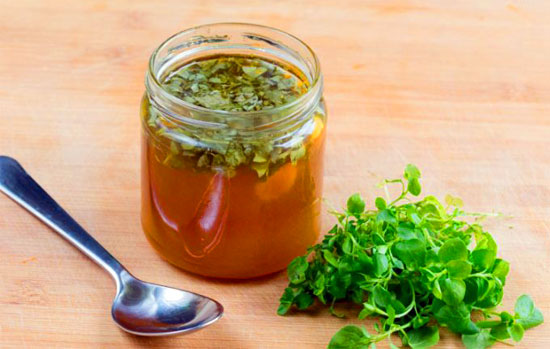
oxymel

In 2012 a group of Iranian researchers published a paper relating to Oxymel in medieval Persia. The honey-vinegar mixture at that time came both pure on its own and in connection with medicinal plants.

To this day it is considered an invigorating traditional remedy. The researchers found over 1200 different Oxymel recipes for different indications ranging from digestive complaints to breathing difficulties …

According to the researchers, the basic historical recipe is very simple:

  • One unit of vinegar
  • Two units of honey
  • Four units of water
  • Add dried or fresh herbs of your choice
  • Boil until a quarter of the mixture remains
  • Skim off the foam, if necessary.
  • Oxymel is best known as an immune-stimulating tonic.
Centaury – The Stomach Bitter

USES: Indigestion, Hiatus hernia, Gastric reflux.

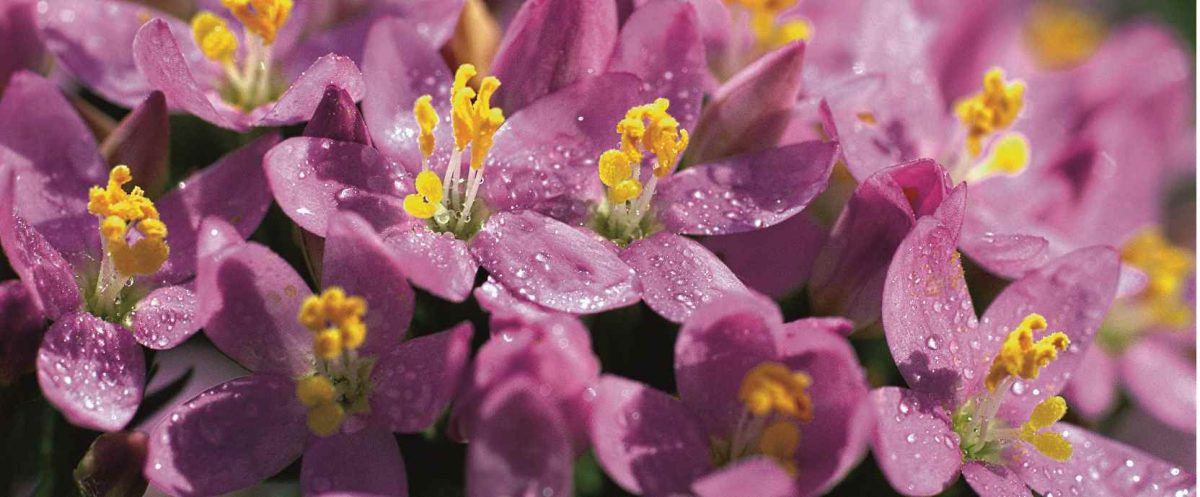
Centaury (Centaurium umbellatum) is well known to herbalists as a ‘stomach bitter’ – one of the classes of herbs with bitter taste and used to aid digestion. For these herbs, it is important to taste the bitterness – and because of this, it is better to use herbs such as Centaurium as a tincture taken 5 minutes before meals.

Centaurium umbellatum

Centaury has been used as the classic stomach bitter for many years. Bitter herbs or bitter tasting foods used to form a significant part of the diet. Nowadays these have practically disappeared with the trend towards more convenient, inoffensive and easy to eat food.

HOW IT WORKS: Centaury owes its bitter taste to a group of compounds called bitter glycosides. The bitterness of food on the tongue plays a very important role in the digestive process. Naturopaths have long believed that digestion starts in the mouth and this has now been shown using physiological testing. The taste of bitter foods stimulates the appetite and triggers the secretion of digestive juices in the stomach, which improves the breakdown of food.

At the same time the hormone Gastrin is secreted by the walls of the stomach. This improves the digestive process, by improving the passage of food from the stomach to the intestines.

Another important action of Gastrin is to tighten the ‘valve’ between the oesophagus and stomach, which is important in reducing the symptoms associated with a hiatus hernia, such as gastric reflux.

Spirulina and Rocket fuel

spirulina

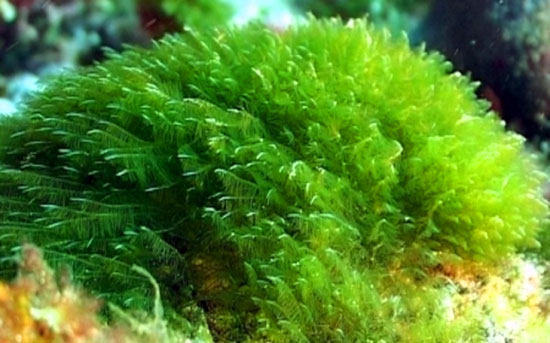
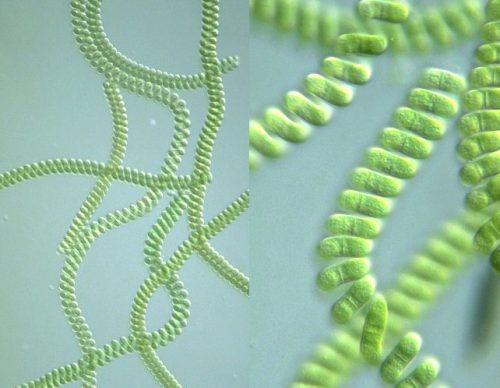
Spirulina is a biomass of cyanobacteria (blue-green algae)

The Source Spirulina was originally discovered growing naturally in unpolluted alkaline lakes in Central Africa and Mexico, where it was an integral part of the Aztec diet.

Spirulina is the richest whole food source found in nature.

  • A highly nutritious, microscopic freshwater plant/ algae.
  • A superfood with over 100 nutrients, more than any other plant, grain or herb.
  • Widely used as a food supplement for maintaining health, energy, weight loss and cleansing programmes.
  • Protein – 60-70% of its weight. 300% more protein than fish, meat or poultry, with no cholesterol.
  • Iron – 58x richer than spinach in bio-available iron.
  • Vitamin B12 – Natures richest source. Often lacking in a vegetarian diet.
  • Chlorophyll – 2x richer than barley grass or wheatgrass.
  • Anti-oxidants – 25x richer in beta-carotene than carrot and 3x richer in Vitamin E than wheatgerm.
  • Spirulina assists weight loss by curbing appetite naturally while supplying a full range of nutrients needed for a balanced diet.
  • As an unrefined wholefood, spirulina is absorbed up to 16x more effectively than synthetic multi-vitamin and mineral supplements.

Spirulina is classed as a functional food in Japan and as a superfood it is consumed by astronauts in space travels. – Rocket fuel for the human body.

spirulina

Spirulina under a microscope

Top